

Mini muffins look like scaled-down versions of standard muffins, but baking them successfully involves more than simply using less batter. Once batter is divided among smaller cavities, the relationship between heat, surface area, baking time, and moisture changes.
That is why a recipe that works perfectly in a standard muffin tin can produce dry edges, overly browned bottoms, or uneven results when transferred directly to a smaller pan.
Understanding what changes at mini size can make the process much more predictable.
Smaller Portions Heat Through Faster
The most obvious difference between standard and mini muffins is the amount of batter in each cavity.
A standard muffin has a relatively thick center that takes time to heat and set. Mini muffins contain much less batter, so heat reaches the center more quickly.
This means mini muffins generally require a shorter baking time than standard muffins made from the same batter.
The mistake many bakers make is waiting for the same degree of surface browning they expect from a full-size muffin. By the time a small muffin develops a deeply browned exterior, its center may already have been fully baked for several minutes.
Checking mini muffins earlier is therefore one of the simplest ways to prevent them from drying out.
The Pan Matters More Than You Might Expect
Cavity size is only part of the equation. Pan material, finish, cavity count, and overall dimensions can also influence the result.
Metal pans conduct heat efficiently and can encourage stronger browning around the sides and bottoms. Dark finishes may absorb more radiant heat than lighter surfaces, while silicone behaves differently because it does not transfer heat in exactly the same way as metal.
The number of cavities also matters from a practical perspective. A 24-cup pan can produce a large batch at once, while a 12-cup version may be easier to handle in a compact oven.
If you are comparing sizes, materials, cavity dimensions, or care requirements, the independent guides at <a href=”https://minimuffinpan.com”>mini muffin pan</a> provide a useful starting point for understanding how these differences affect everyday baking.
Choosing the right pan is not about finding one universally superior design. It is about matching the pan to your oven, recipe, batch size, and preferred baking results.
Batter Depth Changes the Baking Process
The depth of batter inside a cavity affects how long heat takes to reach the center.
This explains why simply transferring a standard muffin recipe into smaller cavities without changing the timing can cause problems. The mini portions have less distance between their outer surface and center.
As a result, the exterior and interior finish baking closer together in time.
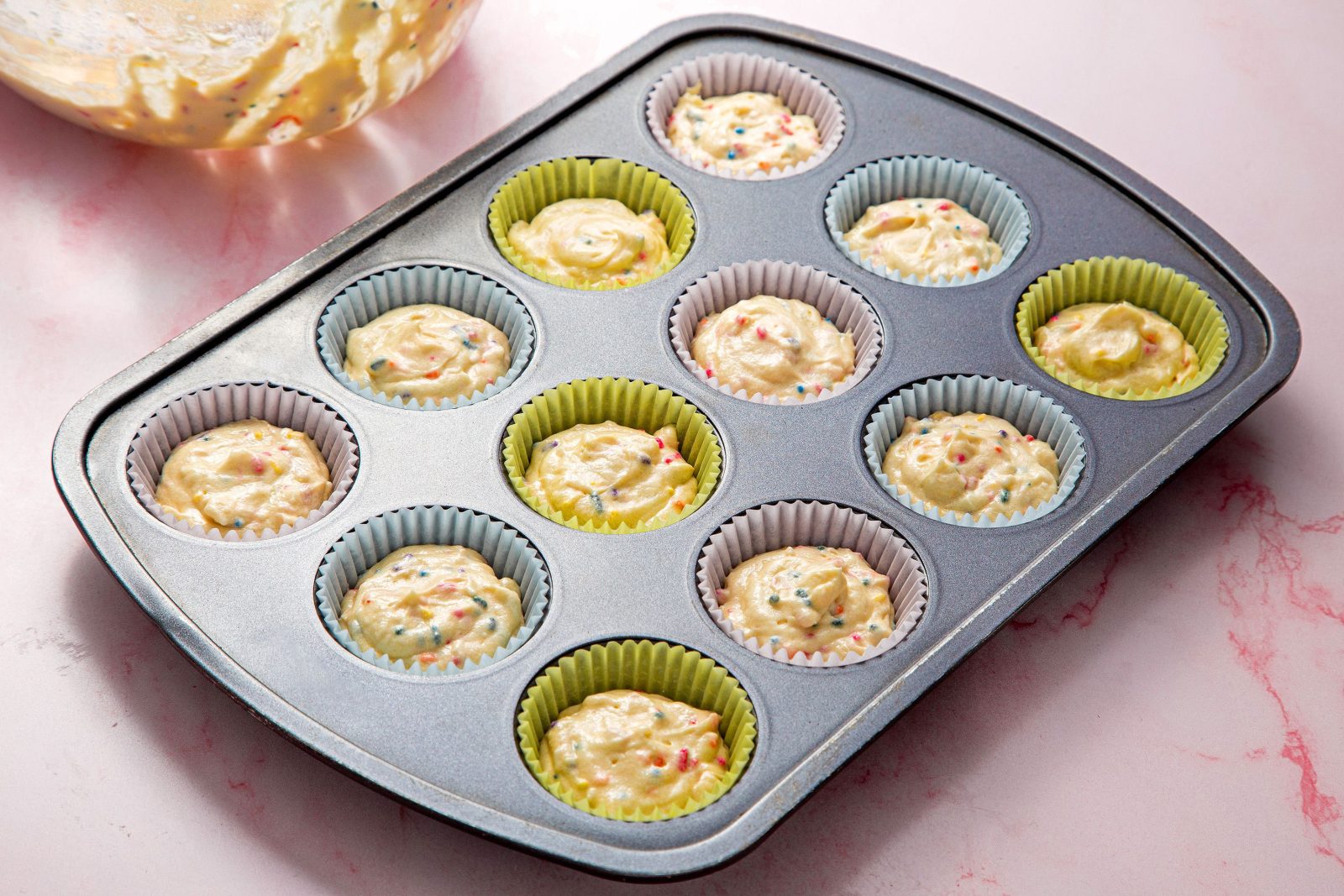
Consistent filling becomes particularly important. If some cavities are half full while others are nearly full, they are effectively different-sized muffins and may not finish at the same time.
Using a small portion scoop can make filling faster and more repeatable.
Avoid Overfilling the Cavities
Overfilling is particularly noticeable with mini muffins.
As batter expands, an overly full cavity can produce a wide top that spreads across the surface of the pan. Neighboring muffins may begin to join together, making them harder to remove cleanly.
Large tops also undermine one of the main reasons for making mini muffins in the first place: consistent bite-sized portions.
A better approach is to fill the cavities consistently and leave enough room for the batter to rise.
The ideal amount varies somewhat with the recipe and pan because batters expand differently, but consistency across the pan matters as much as the exact quantity.
Pan Material Affects Browning and Release
Metal and silicone pans can both make good mini muffins, but they have different characteristics.
Rigid metal pans are easy to move when filled and generally transfer heat efficiently. Depending on the metal and finish, they can produce pronounced browning along the bottom and sides.
Silicone offers easy release and flexible storage, but the pan may need additional support when being moved into or out of the oven. Some bakers place a silicone pan on a baking sheet for stability.
Nonstick coatings introduce another consideration. They can simplify release and cleanup, but manufacturers may specify particular cleaning methods or utensils to protect the coating.
There is no single material that suits every baker. The better choice depends on whether you prioritize browning, easy release, rigidity, storage, or maintenance.
Oven Temperature Still Matters
Reducing the size of the muffin does not make oven temperature irrelevant.
Because mini muffins bake quickly, an oven running hotter than expected can have a noticeable effect. The bottoms may become dark before the baker realizes the centers are already finished.
This is especially important with short baking times. A small temperature difference represents a larger proportion of the total bake than it would during a long roasting or bread-baking session.
If baked goods routinely brown faster on one side of the oven, rotating the pan may help. An oven thermometer can also be useful when actual oven temperature appears inconsistent with the setting.
Greasing Small Cavities Requires Attention
Mini muffin pans contain many small corners and edges, which can make incomplete greasing easier to overlook.
A small ungreased area may be enough for part of a muffin to stick during removal. This becomes particularly frustrating with delicate muffins because their small size makes them easier to tear.
Pay attention to the bottom and sides of every cavity rather than applying grease only across the top of the pan.
Mini liners are another option, particularly when presentation or quick cleanup is important. However, liners also change how much of the muffin surface directly contacts the pan.
Do Not Leave Finished Muffins in the Pan Too Long
Cooling is another small detail that can influence texture and release.
Immediately removing very soft muffins can cause them to break, but leaving them sitting in a hot pan for too long means they continue to receive heat after leaving the oven.
A short resting period allows the structure to settle before the muffins are transferred to a cooling rack.
Recipes differ, so the goal is not to follow one universal cooling time. Instead, pay attention to whether the muffins feel structurally stable enough to release without continuing to cook unnecessarily in the pan.
Use the First Batch as a Calibration Batch
Recipes, pans, and ovens vary enough that the first batch is often the best source of information.
Record how much batter you used, when you first checked the muffins, and how the bottoms and centers looked when they were removed.
If they were dry, check the next batch earlier. If the centers were still underdone, add a little more time. If the bottoms browned much faster than the tops, consider whether pan finish, rack position, or oven temperature contributed.
This approach is more reliable than assuming that one baking time will work for every combination of recipe and equipment.
Small Changes Make Mini Muffins More Predictable
Mini muffin baking becomes easier once you stop treating it as identical to standard muffin baking.
Smaller portions heat through faster. Batter depth changes. Pan material influences browning and release. Inconsistent filling becomes more obvious, and a few extra minutes in the oven can matter considerably.
The solution is not complicated: portion consistently, understand the pan you are using, check the first batch early, and adjust from what you observe.
Once those variables are under control, mini muffins become one of the easiest formats to adapt for breakfasts, snacks, desserts, parties, and batch baking.