

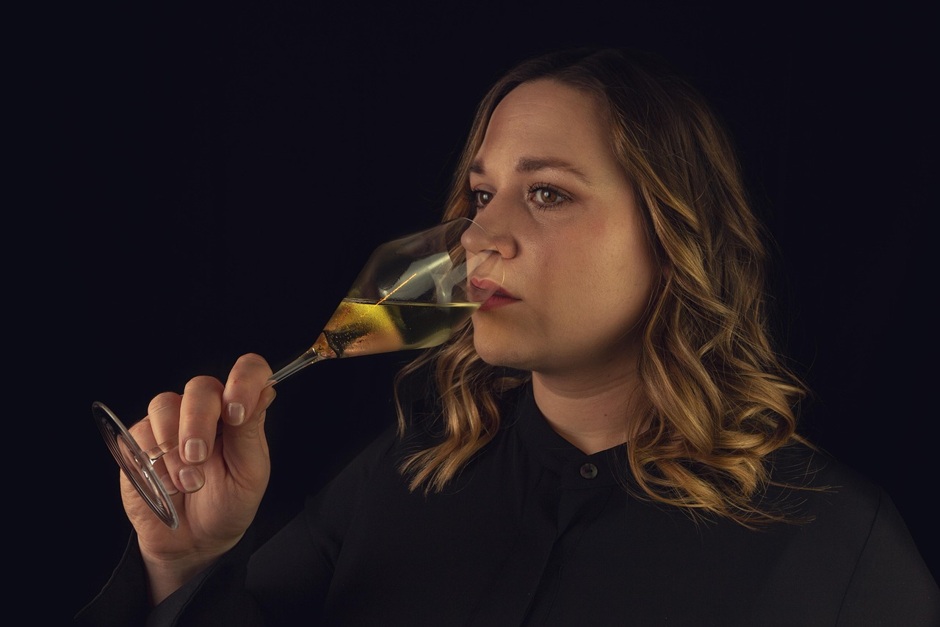
A champagne tasting at home is not just about opening a bottle and filling a glass. It is about creating a fun and memorable moment where you can discover new flavors, compare different styles, and enjoy champagne in a more relaxed way. Whether you are celebrating a special milestone, planning a cozy dinner with friends, or simply curious about fine sparkling wines, a home tasting can turn a simple evening into a unique experience. The key is to focus on the little details: choosing a few interesting bottles, setting a welcoming atmosphere, serving the champagne properly, and taking the time to appreciate its aromas, bubbles, and character. With the right preparation, anyone can create an elegant yet enjoyable champagne experience at home.
Choosing the Right Champagnes
The first step in creating a successful champagne tasting experience is selecting a varied range of bottles. The goal is not necessarily to choose the most expensive options, but to compare different expressions, aromas, and styles.
A professional-style tasting often includes three to five champagnes to help guests identify differences in structure, freshness, and complexity. Serving too many bottles can overwhelm the palate and make it harder to appreciate each wine. For those interested in discovering the diversity of prestigious champagnes, taking the time to explore Cristal Champagne bottles can also provide a deeper understanding of how different expressions develop unique aromas, textures, and tasting profiles.
When building your selection, consider including:
- A fresh and elegant champagne with bright acidity and citrus notes to introduce the tasting.
- A richer champagne with deeper aromas of brioche, nuts, or dried fruits, often developed through longer aging.
- A vintage champagne to explore how time influences complexity, texture, and aromatic depth.
- A rosé champagne to discover differences in fruit character, color, and mouthfeel.
A balanced selection allows guests to understand that champagne is not a single style but a diverse category with many sensory profiles.
Preparing the Perfect Setting for a Champagne Tasting
The best champagne moments are not always the ones carefully planned in advance. Sometimes, they happen after a personal achievement, a promotion, a long-awaited reunion, or even when your favorite football team wins a historic match. Champagne is deeply connected to emotions, and the atmosphere surrounding a champagne tasting experience can completely transform the way it is enjoyed.
At home, there is no need to recreate a formal wine cellar to enjoy a refined champagne experience. A comfortable setting, a beautifully prepared table, and good company are often the elements that make the difference. Avoid strong perfumes or scented candles that may affect the perception of aromas, and create a space where guests can truly focus on the wine.
Glassware also has an important role in the tasting. While traditional champagne coupes remain associated with celebrations, tulip-shaped champagne glasses are often preferred by enthusiasts because they help preserve the bubbles while allowing the aromas to develop. The perfect setting does not change the champagne itself; it simply allows you to appreciate every detail of the moment.
The serving temperature is another essential factor. Champagne is generally best enjoyed between 8 and 10°C. Too cold, and the aromas become muted. Too warm, and the freshness and balance may be affected.
Learning How to Taste Champagne Like a Professional
A champagne tasting is based on three main stages: observation, aroma analysis, and tasting. The first impression comes from the appearance. Observe the color, clarity, and movement of the bubbles. Fine, persistent bubbles often indicate careful production and aging, although visual appearance alone does not determine quality.
Next comes the aroma. Gently smelling the champagne helps identify its aromatic profile. Younger champagnes often reveal fresh notes such as citrus, white flowers, or green fruits. More mature bottles may develop complex aromas of toast, pastry, honey, or roasted nuts.
Finally, taste the champagne slowly. Pay attention to:
- Acidity: the freshness that gives energy and balance.
- Texture: the sensation created by the bubbles and the wine’s body.
- Aromatic persistence: how long flavors remain after each sip.
- Balance: the harmony between freshness, richness, and complexity.
Pairing Champagne with Food
A successful champagne food pairing can elevate the tasting and reveal new dimensions of the wine. Champagne’s natural acidity and fine bubbles make it particularly versatile at the table.
Light and fresh styles often pair beautifully with seafood, oysters, or delicate appetizers. More structured champagnes can complement richer dishes such as poultry, creamy preparations, or aged cheeses.
For a home tasting, consider preparing small portions rather than a complete meal. The objective is to highlight how different foods interact with the wine without overwhelming the palate.
Good options include:
- Seafood and shellfish to emphasize freshness and minerality.
- Soft cheeses to explore texture and creaminess.
- Light pastries or fruit-based desserts for a delicate finish.
- Nuts and refined appetizers to complement mature aromatic notes.
FAQ
1. What is the best time of day to organize a champagne tasting at home?
A late afternoon or early evening is often ideal because guests can taste in a relaxed atmosphere without feeling rushed. Natural light can also help with observing the champagne’s color and bubbles before moving into the tasting.
2. How should champagne bottles be opened during a tasting?
Champagne should be opened carefully to preserve the pressure, aromas, and bubbles. A slow release of the cork helps maintain the wine’s elegance and avoids losing too much carbonation before tasting begins.
3. Should champagne bottles be opened all at once during a tasting?
It is usually better to open bottles gradually, following the order in which they will be tasted. This helps maintain freshness and allows guests to focus on each champagne without mixing different aromas too quickly.
4. How can you make a champagne tasting more interactive for guests?
You can encourage guests to share their impressions, guess the aromas, compare textures, or rank their favorite styles. Simple activities like tasting notes or blind comparisons can make the experience more engaging.
5. What should guests pay attention to when tasting champagne for the first time?
Beginners can focus on simple sensations: the freshness of the wine, the size and persistence of the bubbles, the aromas on the nose, and the flavors that remain after each sip.