

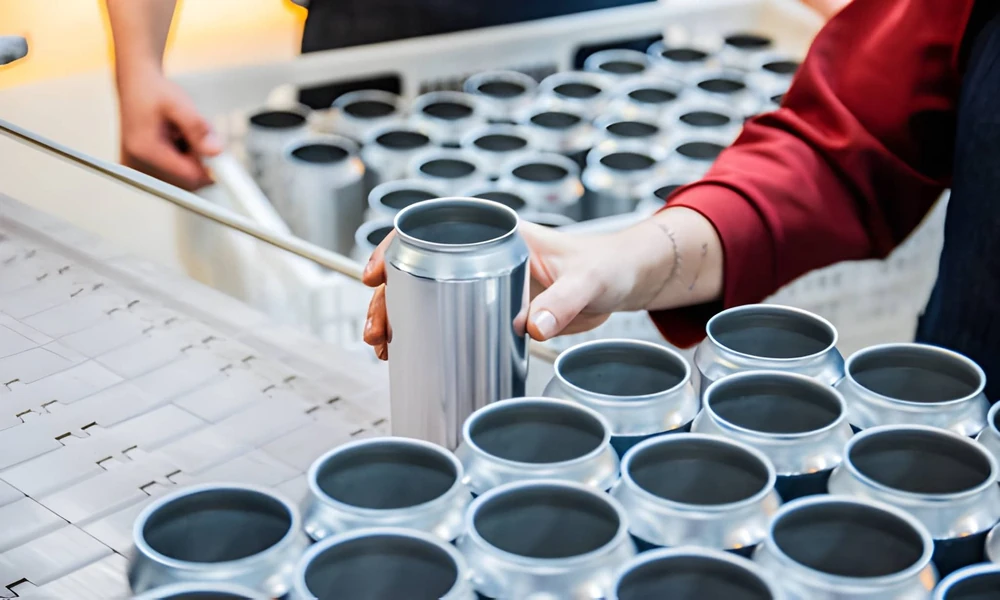
Packaging plays an important role in protecting products, reducing waste, and managing resources. But what happens when a container is empty? A circular economy aims to keep materials in use for as long as possible through reuse, recycling, and responsible production. Aluminium and tin-based packaging both contribute to this approach.
When considering aluminum vs tin, businesses should understand their material differences and recycling potential. Aluminium is lightweight and recyclable, while tin cans are generally made from steel coated with a thin layer of tin. Both materials can support circular packaging practices when properly collected and recycled. uCan-Packaging offers aluminium packaging wholesale solutions for businesses seeking practical and customisable options.
1. Aluminium: Lightweight and Recyclable
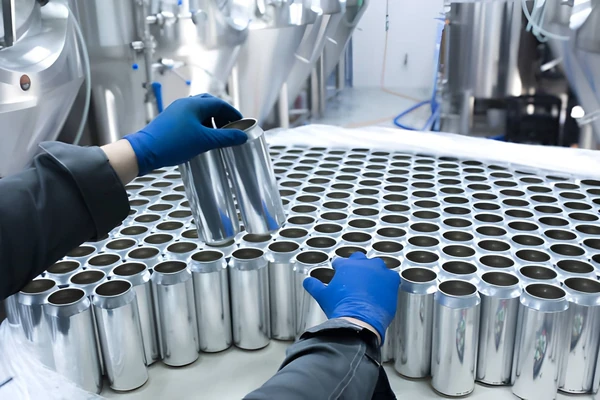
Aluminium is widely used in beverage cans, food containers, and personal care packaging. Its lightweight construction makes it convenient to transport, while its recyclability helps conserve valuable resources.
Key benefits include:
- Recyclability: Aluminium can be recycled repeatedly without losing its essential properties.
- Energy savings: Recycling aluminium requires considerably less energy than producing primary aluminium.
- Transportation efficiency: Lightweight packaging can help reduce transportation impacts, depending on the supply chain.
2. Tinplate: Strength and Durability
Tinplate is typically made from steel coated with a thin layer of tin. This combination provides strength and protection, making it suitable for food cans, paint containers, and industrial packaging.
Its circular economy benefits include:
- Magnetic recovery: Steel packaging can be separated using magnetic systems.
- Durability: Strong containers help protect products during handling and transportation.
- Recycling potential: Recovered steel can be processed into new steel products.
The tin coating protects the steel, but the steel itself accounts for most of the material’s recycling value.
3. How Both Materials Support Circularity
Aluminium and tinplate can contribute to a circular economy through material recovery, recycling, and efficient packaging design. Businesses can support these practices by:
- Choosing packaging that suits the product without unnecessary material.
- Designing containers that are easier to empty and recycle.
- Working with suppliers who provide clear material specifications.
- Encouraging consumers to use appropriate recycling facilities.
4. Choosing the Right Material
Neither material is ideal for every application. Aluminium suits lightweight packaging, while tinplate offers strength and durability. Businesses should consider product compatibility, packaging performance, transportation requirements, and local recycling facilities before making a choice.
Evaluating these factors helps companies select suitable packaging, protect their products, manage costs, and support circular economy practices. Ultimately, the right material depends on the product’s needs and the practical recycling options available in the markets where packaging will be used and disposed of.
Final Thoughts
Aluminium and tinplate both play valuable roles in circular packaging by supporting recycling, resource conservation, and waste reduction. When thoughtfully designed, these materials can protect products while helping businesses make more responsible packaging choices. Aluminium offers lightweight versatility, while tinplate provides strength and durability.
Choosing suitable materials, reducing unnecessary packaging, and ensuring proper collection and recycling can improve their environmental value. Ultimately, small, practical decisions throughout the packaging lifecycle can make a meaningful difference in building a more sustainable future for businesses and consumers alike.